Interpreting your birth chart: What radix, planets and houses reveal about your personality
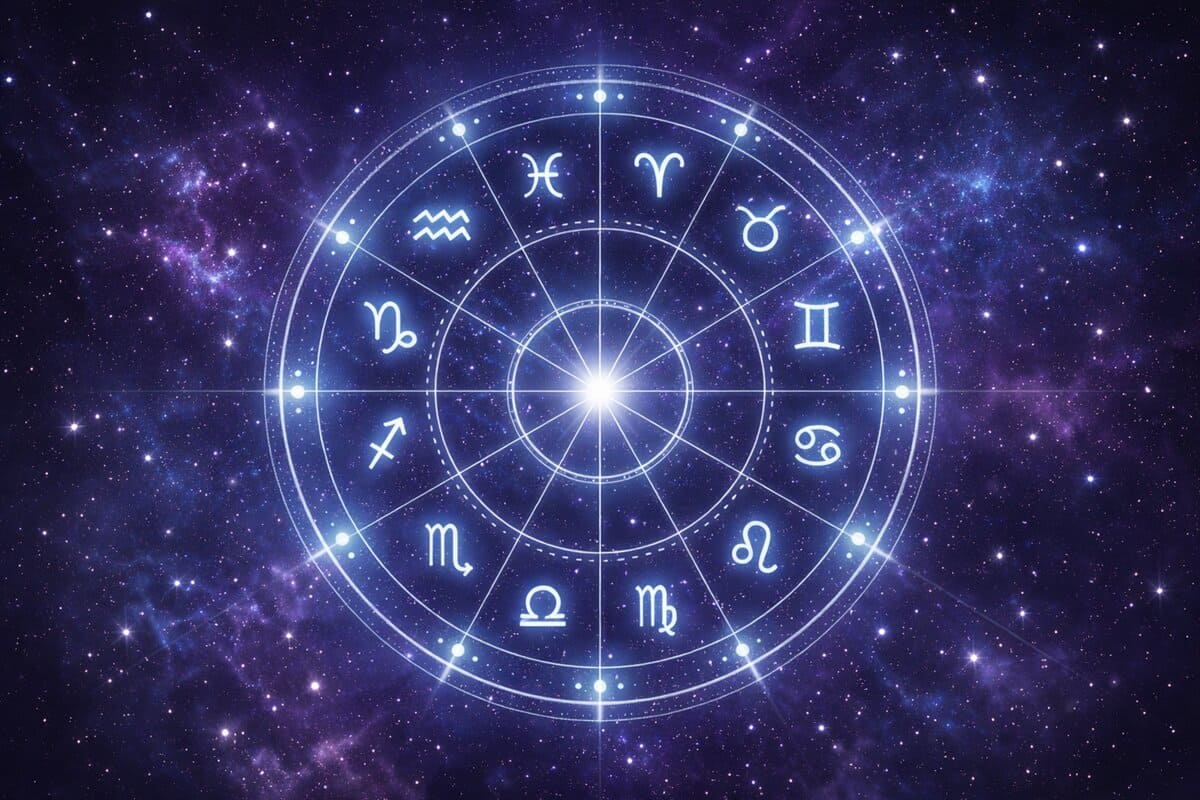
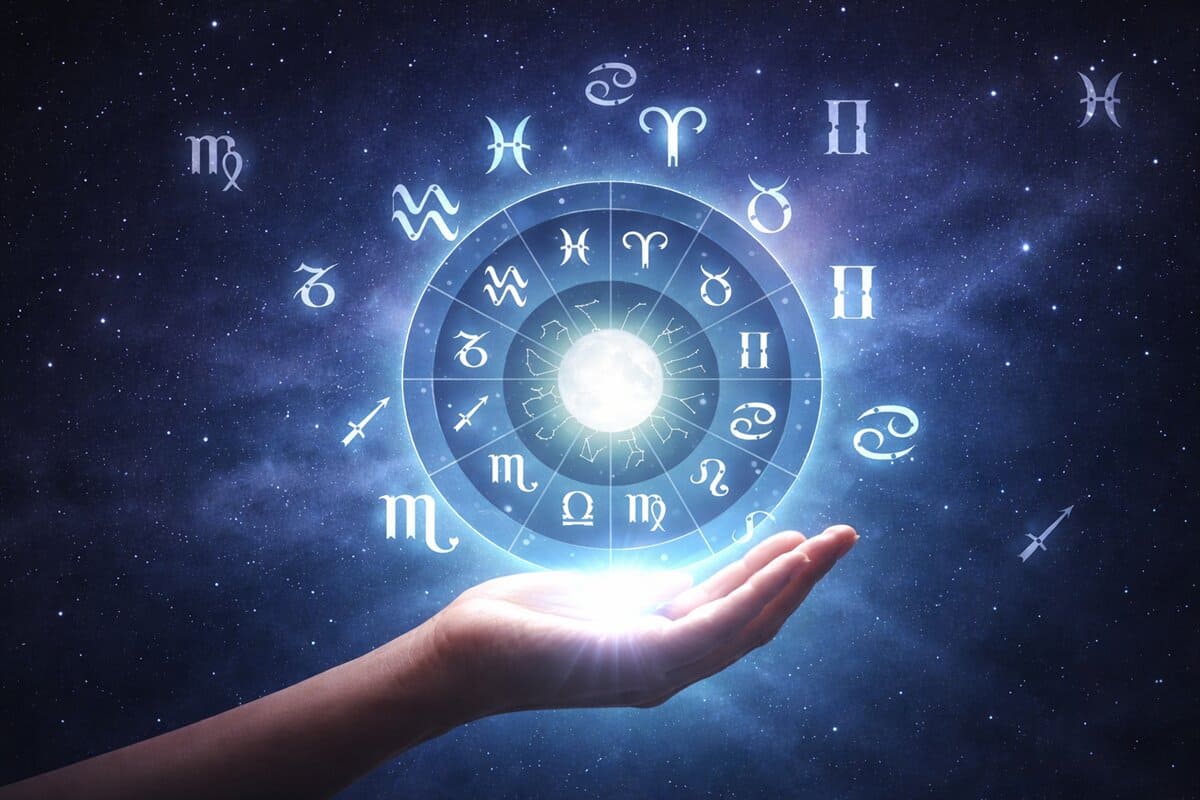
The birth chart – also called radix – is the central tool of astrology. It shows the exact position of all planets, spread over twelve houses and zodiac signs, at the moment of your birth. Anyone who can read it understands the deepest layers of a personality.
What is a radix anyway?
The birth chart, called the Radix or Natal Chart, is an astronomical snapshot: it shows the exact position of all planets in the twelve zodiac signs and the twelve houses at the time and place of your birth. No birth chart resembles the other. Even single twins who are born only minutes apart can have different ascendants and thus different house distributions.
In order to create a birth chart, you need three things: your date of birth, your exact time of birth and your place of birth. The time of birth is crucial because the Ascendant, one of the most important elements in the horoscope, migrates every two hours into a new sign. Even a deviation of thirty minutes can shift the entire house system and fundamentally change the interpretation.
The three pillars: planet, sign, house
A birth chart reads like a language with three levels. Planets describe what, the fundamental life forces and psychological functions. Characters describe the how, quality and style in which these forces express themselves. Houses describe where, the concrete area of life in which an energy manifests itself.
An example makes this tangible: Mars (drive, enforcement) in Capricorn (disciplined, strategic) in the tenth house (career, public activity) describes a person who pursues his professional goals with methodological perseverance, who focuses on long-term rather than fast successes in his career and who is perceived as competent and resilient in the public sphere.
If you change only one element, a completely different picture emerges: Mars in Capricorn in the fourth house (family, home) describes a person who needs control in the home area, who manages his home like a project and whose family dynamics is characterized by discipline and clear structures.
The ten planets and their meaning in the radix
Sun: Your conscious self
The sun is the center of your horoscope. It describes your conscious being, your ego and what you direct your life towards. The sun sign is what most people know as their zodiac sign. In the context of the entire birth horoscope, it becomes clear that the sun is just one building block among many, but an important one: It shows who you want to be and which qualities you want to consciously integrate into your life.
Moon: Your emotional foundation
The moon describes your inner life: how you feel, what you need to feel safe and how you react to emotional stress. The moon sign is often the key to behavior patterns that people do not understand about themselves. A person with Sun in Aries (impulsive, direct) and Moon in Cancer (in need of protection, domestic) experiences an inner contradiction: outwardly the warrior, inwardly the child seeking security.
Mercury: Your thinking style
Mercury determines how you absorb, process and communicate information. Mercury in a fire sign thinks quickly and spontaneously. Mercury in an earth sign thinks methodically and practically. Mercury in an air sign thinks abstractly and interconnectedly. Mercury in a water sign thinks intuitively and emotionally.
Venus: Your values and relationship patterns
Venus describes not only love, but everything that is valuable to you: aesthetics, finances, enjoyment, harmony. The position of Venus in your horoscope shows what you find attractive, how you manage relationships, and what kind of beauty appeals to you.
Mars: Your drive and your assertiveness
Mars shows how you act, fight and pursue your goals. A strong Mars gives assertiveness and courage. A difficult Mars can lead to aggression or passivity. The position of Mars in the horoscope often explains why some people act immediately while others hesitate and why some people find it easy to push through while others experience it as an enormous effort.
Jupiter: Your growth potential
Jupiter represents expansion, optimism and possibilities. Where Jupiter is in your horoscope, you will find your greatest growth potential, the areas where things come easier to you than others and where you benefit from luck and favorable circumstances.
Saturn: Your life lesson
Saturn is the teacher of the zodiac. It shows where you need to work, discipline and mature. Saturn themes often feel heavy, especially in the first half of life. But they bring the deepest and most lasting results. The Saturn position in your chart reveals your central life lesson: the issue that keeps coming up until you master it.

The outer planets: Uranus, Neptune and Pluto
Uranus represents revolution, innovation and sudden change. Neptune for spirituality, resolution and transcendence. Pluto for profound transformation, power and rebirth. Because these planets move slowly, entire generations share the same sign. Their individual meaning arises primarily from the house in which they are located and the aspects that make them personal planets.
The twelve houses: the stages of your life
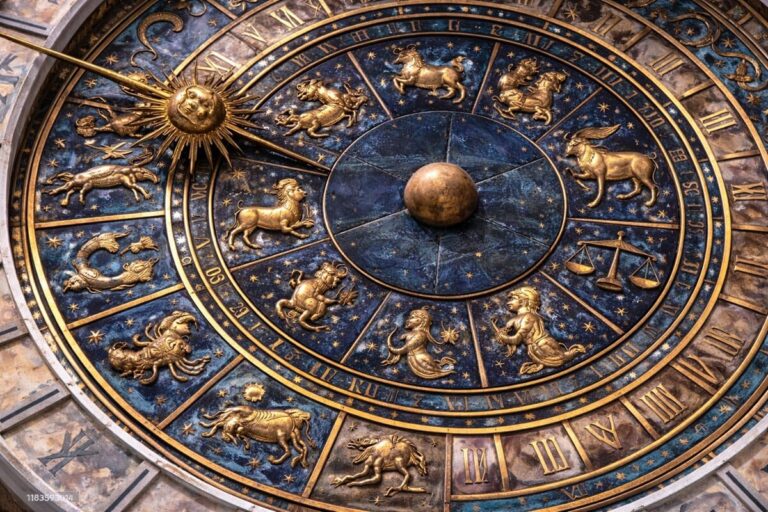
The twelve houses divide the horoscope into twelve areas of life. In contrast to the signs that are the same for all people, the houses are determined by the exact time of birth and are therefore highly individual.
The first house determines your appearance and your first impression. The second house concerns money, possession and self-worth. The third house stands for communication, learning and siblings. The fourth house for family, origin and your innermost home. The fifth house for creativity, romance and children. The sixth house for health, work and everyday life.
The seventh house describes partnerships and open enemies. The eighth house concerns transformation, common finances and taboo topics. The ninth house stands for travel, philosophy and higher education. The tenth house for career and social position. The eleventh house for friendships, groups and visions of the future. The twelfth house for the unconscious, retreat and hidden fears.
Aspects: The conversations between the planets
Aspects are the angular relationships between planets and are among the most powerful factors in the birth chart. They show which parts of your personality work together harmoniously and which are in tension with each other.
The five main aspects are the conjunction (0 degrees), where two planetary energies merge, the sextile (60 degrees) for easy and productive exchange, the square (90 degrees) for tension, friction and drive, the trine (120 degrees) for effortless flow and the opposition (180 degrees) for polarity and the need of balance.
Squares and oppositions are considered challenging, but they are the aspects that bring most growth. A horoscope without tension aspects would be like a life without challenges: pleasant, but less developmental. The greatest achievements often arise from the friction of difficult aspects.
The four corners: Ascendant, MC, Descendant and IC
Four points in the chart are particularly significant. The Ascendant (AC) is the top of the first house and describes your external appearance as you act on others and how you enter the world. The medium Coeli (MC) is the top of the tenth house and stands for your vocation, public image and career goals. The Descendant (DC) describes what you are looking for in partnerships, often exactly the qualities that you are less aware of yourself. The Imum Coeli (IC) at the bottom of the chart stands for your roots, your family and your innermost home.
These four points form the axis cross of the horoscope and mark the central themes of life: identity (AC), career (MC), partnership (DC) and origin (IC). Every planet that stands near one of these points gains enormous importance.
How to learn to read your own horoscope
The introduction to the interpretation of one's horoscope can be overwhelming. Ten planets, twelve characters, twelve houses, aspects and special points: the amount of information seems endless. The key is to proceed step by step.
Start with the three most important positions: Sun, Moon and Ascendant. These three points alone already give a meaningful personality profile. The Sun shows who you want to be, the Moon who you are inside and the Ascendant how you act outwards.
In the next step, look at the house positions of the sun and moon. In what area of life does your conscious energy shine the most? Where do your emotions feel the most at home? Then expand your view of Venus and Mars: How do you love and how do you act?
Only when you have developed a feeling for the individual building blocks, start with the aspects. First, look for the aspects to the sun and moon, because they shape the personality the most.
Why professional interpretation makes the difference
Although one can learn the basics of horoscope interpretation itself, the true depth of a birth chart is only revealed in professional analysis. An experienced astrologer sees not only the individual building blocks, but the interplay of all factors: how certain constellations reinforce each other or weaken each other, which topics run like a red thread through the whole horoscope and where the central levers for personal growth lie.
The professional interpretation combines technical knowledge with years of experience in interpretation. It takes into account not only the static positions, but also the dynamic developments: Which transits have an impact on your horoscope? What phase of life is at hand? What slumbering potentials are now ready to be activated?
Your birth chart is more than a collection of astrological symbols. It's a map of your personality with all its strengths, challenges and unused possibilities. The first step to use it is the desire to understand yourself better. Everything else follows from there.